For retail and consumer goods leaders. Agents catch shelf gaps, missed peak hours and stock that doesn’t match the invoice, on the cameras and systems you already have.
See case studies
Select a highlighted area to see the AI at work
Concept artwork · fictional store · illustrative AI overlay
The problem
Different formats. The same barriers.
Stores, warehouses or brands: AI value stalls in the same four places.
StoresWarehousesConsumer brands
Under every format
Shelves and traffic you can’t seeShelf gaps and store traffic change by the hour.
Stock counted by handIntake counts are slow and error-prone.
Customer data in piecesWeb, store, social and email each hold part of the customer.
Decisions built by handMerchants pull data from many reports before they decide.
Solutions
How we unlock value with AI.
Two ways in. Add AI to the tools your teams already use, or rebuild a process around AI agents. Both stand on one foundation, inside your boundary.
Category workspace · SnacksAI added
CategorySnacks
SeasonSpring
ReviewWeekly
Category sales · last 12 weeks
Sources
BI report
Weekly sales
Market data
Share by brand
Planogram
Shelf space
DRAFT
Promotion brief
AI assistantAnswers cite the source
Sales fell over the last four weeks while market share held. Shelf space for the category was cut in the latest planogram reset.
BI reportMarket dataPlanogram
Summarises the sources. The decision stays with the merchant.
Plain-language answers, cited to the source, inside the tools merchants already use.Illustrative
Peopledecide and approveException routed to ownerApproved
Warehouse managerApproves exceptions
Receiving leadRecounts on site
NeIO OSPlans the run and routes every exception to the person who owns it.
Your environment
AI agentsdo the work
Intake count agentCounts cartons on CCTV
Matching agentChecks invoice and order
Exception agentFlags only the gaps
Systemsstay in placeCCTVInvoicesPurchase orders
Team channelDelivery checked. Matched lines closed, one gap sent for approval.Approved answers only
Agents work on your systems. People own every decision.
One foundation under bothEach piece answers a problem above.
Vision on what you have
Runs on your existing CCTV and phones.
Shelves and traffic you can’t see
Connected data
Joins POS, order management, ERP and customer data.
Customer data in pieces
Cited answers
Every answer shows the source it came from.
Decisions built by hand
Matched to your records
Counts are checked against invoices and orders. Only gaps reach a person.
Stock counted by hand
Illustrative example with sample data.
Applied AI
Case studies
Our work across store operations, merchandising, supply chain and customer data. Case study details are anonymized. Images are concept artwork.
Store operations / Supermarket, India
Footfall matched to billing
Challenge: The store could not see traffic patterns or how many visitors went on to buy.
What we did: Edge vision on existing CCTV counted entries, found peak hours and compared traffic with checkouts.
95%accurate footfall counts on an hourly average
Merchandising / B2C retail, USA
One assistant for every merchant question
Challenge: Merchants spent hours pulling data from many systems before each decision.
What we did: One assistant answers merchant questions across BI, Nielsen, SPINS and planograms, with citations and seasonal forecasts.
50%faster category and promotion reviews
Customer data / Retail & consumer goods, USA
One view of every customer
Challenge: Marketing teams could not turn web, social, email and purchase data into clear insights.
What we did: A customer data platform joined every digital and purchase channel and gave marketing predictive insights.
5%increase in conversion rates
Supply chain / Retail chain warehouse, India
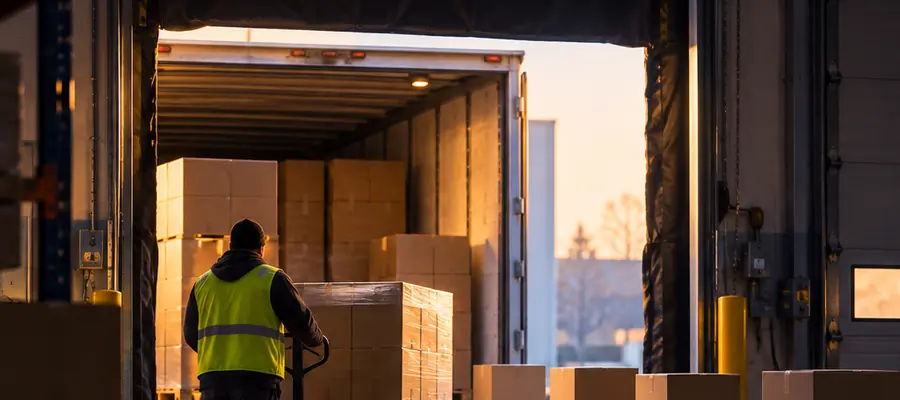
Stock counted at the door
Challenge: Manual stock counts at intake were slow and error-prone.
What we did: CCTV counted intake and matched it to invoices and purchase orders, flagging only the gaps.
Store operations / Beauty retail, USA
Shelves checked against the planogram
Challenge: Manual shelf checks could not keep up with planogram compliance across many stores.
What we did: Store staff photograph the shelf. Vision checks product count, position and alignment against the planogram.
Customer experience / Beauty retail, USA
Product answers for field staff
Challenge: Store staff could not get detailed product information fast enough to help shoppers.
What we did: Staff scan a product on their phone. A generative AI agent answers from the brand’s knowledge base.
Store operations / Retail, USA
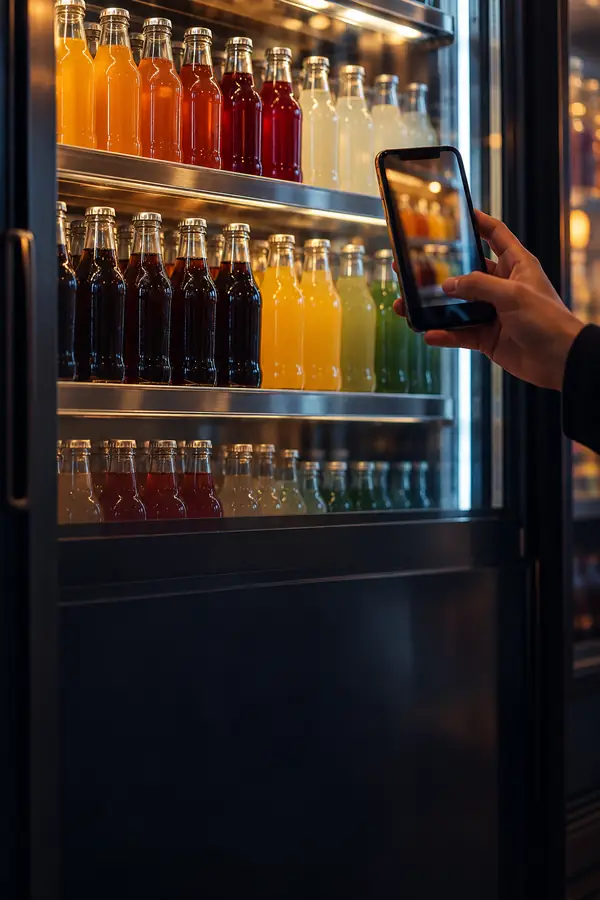
Bottles counted in store fridges
Challenge: A brand needed to count soft drink bottles by brand and size in store refrigerators, from a phone camera.
What we did: Generative AI sped up labelling of 500,000 to 700,000 product images for the detection model.
40%less time to model readiness
Analytics / B2B commerce
Dashboards without manual data prep
Challenge: Analysts spent their time on manual data management before they could build dashboards.
What we did: Data now moves from the warehouse into DOMO automatically.
40%time saved for analysts
Why Codvo
Why retailers choose Codvo.
01Sovereign AIYour data, your intelligence. Region-locked deployment, your choice of model, no vendor lock-in.02Works with what you haveRuns on your existing CCTV and phones. Connects to POS, order management, ERP, Snowflake and Databricks.03Starts with the retail outcomeWe begin with your merchandising, inventory and store goals, then pick the technology.04Built around retail workflowsAgents fit how products, shelves, stock, orders and promotions already move.05Governed and measurablePermissions, privacy and human approval from day one. Value measured against an agreed baseline.
Built on NeIO. Every agent decision is traceable and replayable, and answers cite their sources.Read about NeIO Govern
Make your stores AI native, with Codvo.
Bring one store, one category or one supplier. We will show you what an agent finds in it.